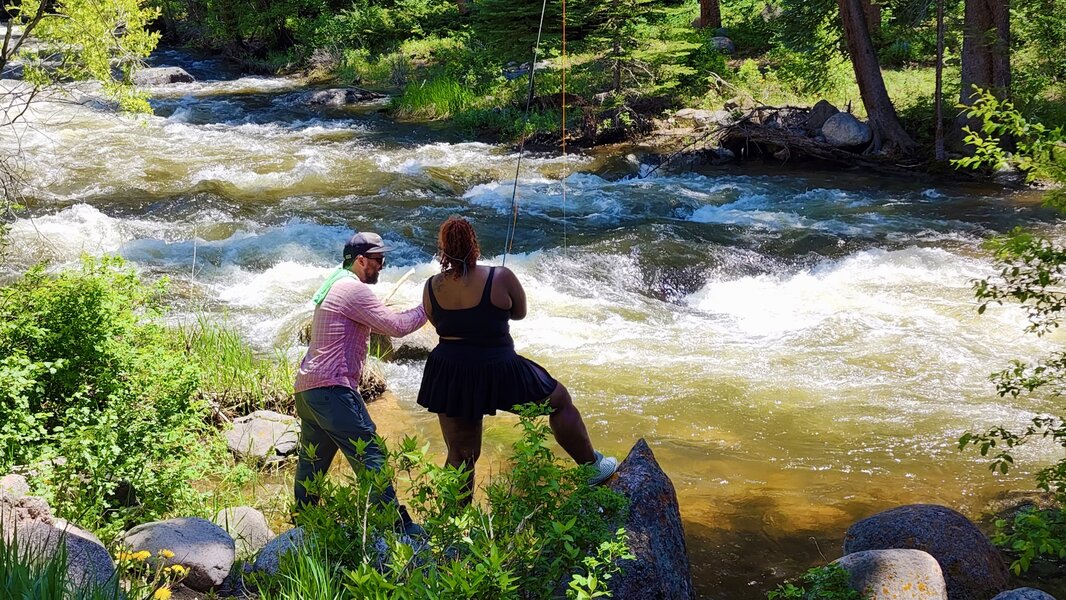
In recent years, the conversation around outdoor recreation has shifted towards inclusivity and equal access. Historically, outdoor spaces such as parks, trails, and natural reserves have often been perceived as exclusive domains, accessible primarily to certain demographics. However, a growing movement advocates for the idea that the outdoors belong to everyone, emphasizing the need to dismantle barriers that prevent marginalized groups from enjoying nature.
Many communities face obstacles such as lack of transportation, inadequate facilities, or social stigmas that hinder participation in outdoor activities. These barriers disproportionately affect people with disabilities, low-income families, and minority groups. Recognizing these disparities is the first step toward creating more equitable outdoor environments.
Efforts are underway across various regions to improve accessibility. This includes the development of wheelchair-friendly trails, inclusive playgrounds, and programs that encourage diverse participation. Governments, non-profit organizations, and private entities are collaborating to fund and implement initiatives aimed at making outdoor spaces more welcoming and accessible.
Furthermore, urban planning plays a crucial role in ensuring equitable access. Integrating green spaces within city designs, providing affordable transportation options, and involving community members in decision-making processes are essential strategies. These measures help foster a sense of ownership and belonging among all residents.
Education and awareness campaigns also contribute to changing perceptions about who belongs outdoors. Highlighting stories of diverse outdoor enthusiasts can inspire others and challenge stereotypes. Additionally, policies that promote inclusivity, such as anti-discrimination laws and funding for accessible infrastructure, are vital components of this movement.
Ultimately, the goal is to create outdoor environments where everyone feels welcome and empowered to connect with nature. By addressing existing barriers and promoting inclusivity, we can ensure that the outdoors truly belongs to us all, fostering healthier, more vibrant communities.